TWON Final Event and 4th CitizenLab in Brussels
- Date: 27.03.2026
-
From 14 to 18 March 2026, Cosima Pfannschmidt and Dr. Jonas Fegert (Digital Democracy and Participation) hosted the fourth TWON CitizenLab in Brussels, bringing together citizens from across Europe to engage directly with ongoing research on digital platforms and democratic discourse. The CitizenLabs are a central part of the EU-funded project “TWON – Twin of Online Social Networks”.
The CitizenLab provided a unique space for exchange between researchers and a diverse group of European citizens. Under the theme *“Voices Rising: Rebuilding Bridges. Dialogue, Trust and Solidarity Post October 7th”*, participants discussed how digital platforms shape societal discourse and explored ways to foster more constructive and inclusive online environments despite societal polarization. A central goal of the format was to integrate citizens’ perspectives into the research process. Through interactive discussions and demonstrators, participants engaged with key questions surrounding platform governance, online communication dynamics, and the societal implications of digital technologies.
Throughout the CitizenLab, members of the TWON consortium presented and discussed core aspects of the project, including:
* The role of digital platforms in the public sphere
* Methodological approaches to studying online social networks
* The use of large language models in social simulations
* TWON’s educational demonstrators featuring generative agents
The exchange with citizens, researchers, and practitioners highlighted the importance of interdisciplinary perspectives and participatory approaches in addressing the challenges of digital transformation.
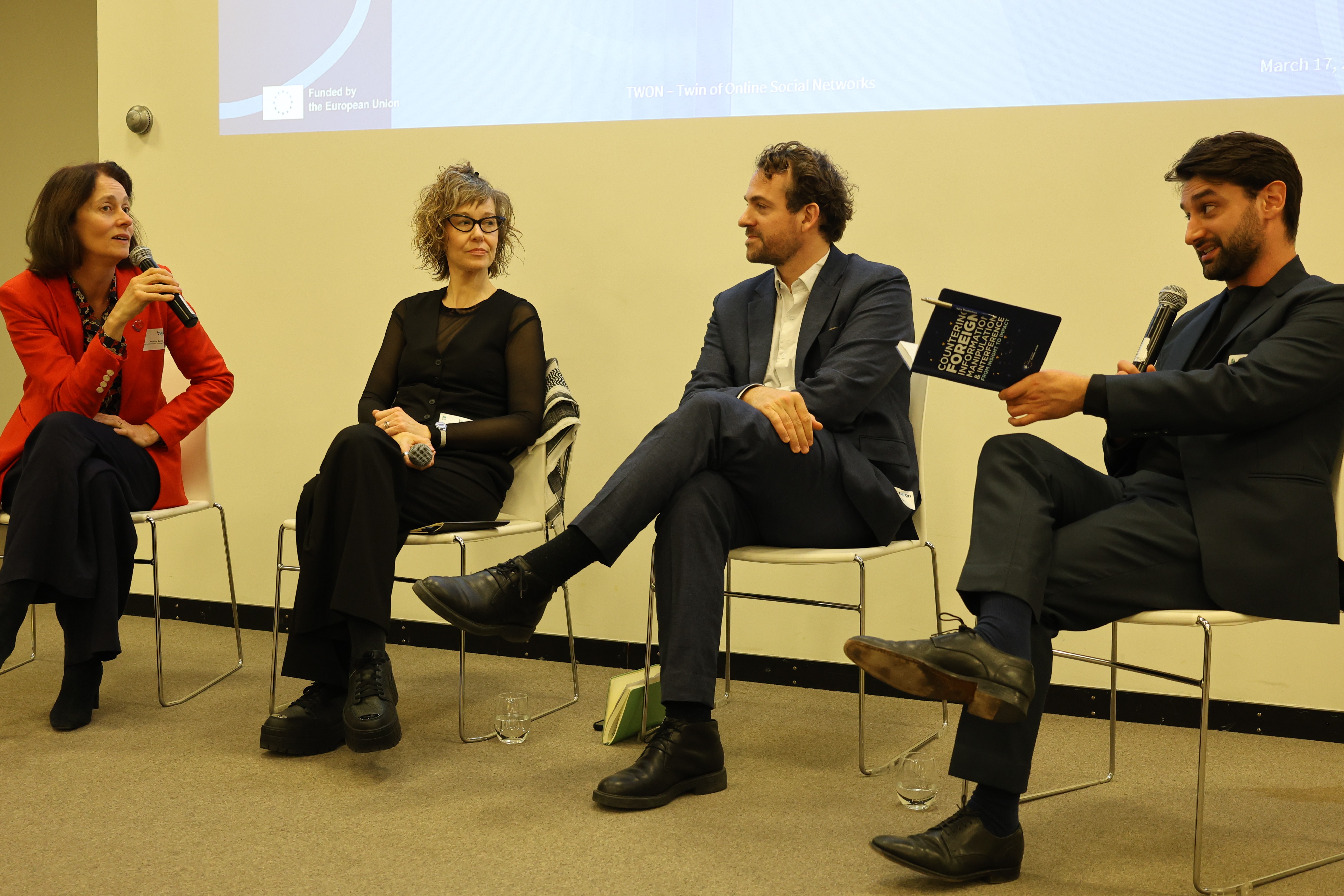
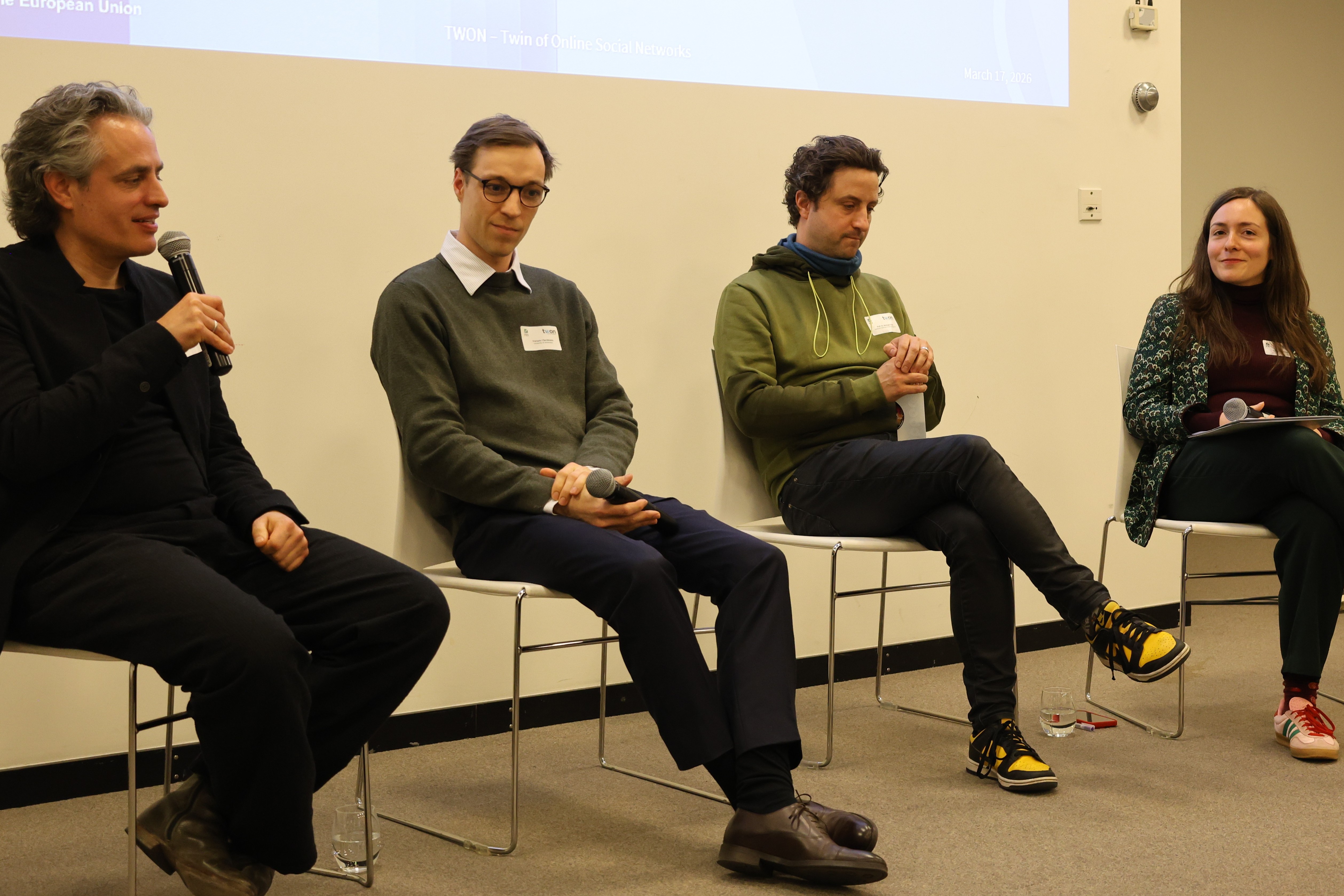
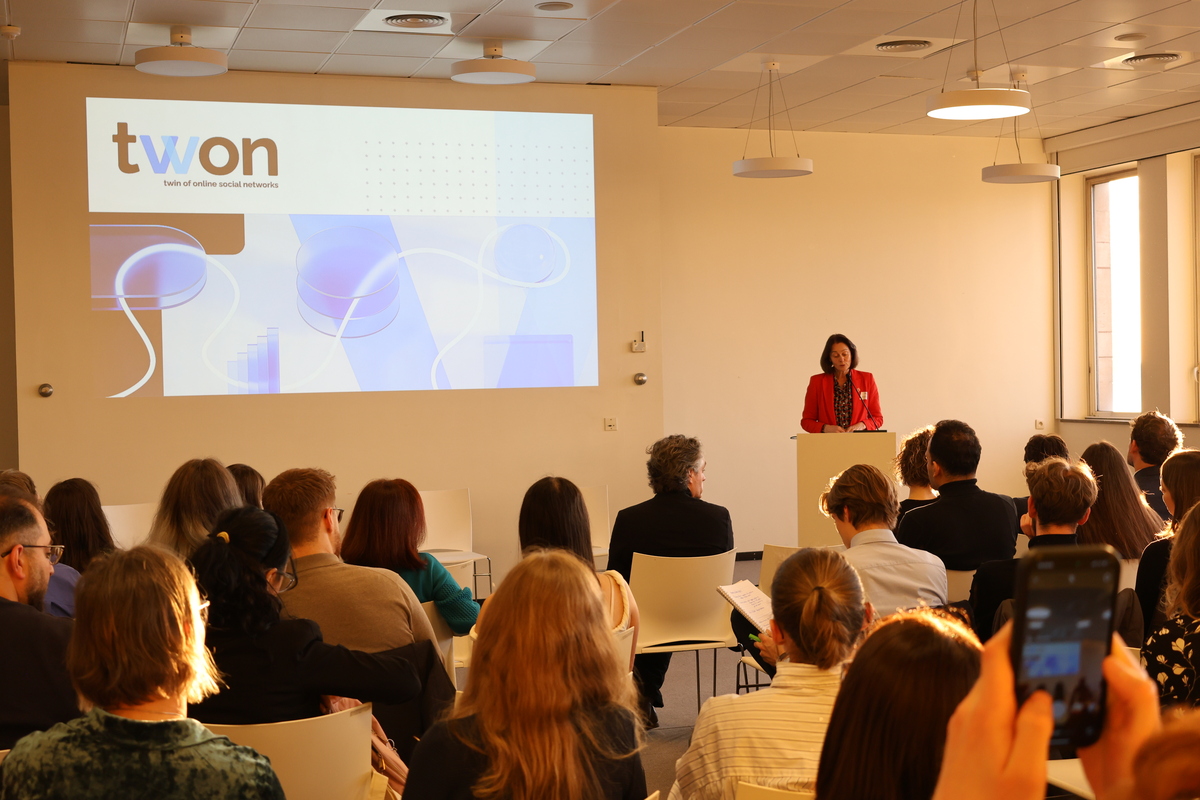
A key highlight of the week was the TWON final event, held on 17 March 2026 at the KBR Royal Library in Brussels. The event, titled “From Research to Sovereignty in the Digital Public Sphere – Insights from the TWON Project”, marked the culmination of three years of collaborative research. Bringing together policymakers, researchers, and civil society actors, the event focused on how Europe can strengthen digital sovereignty and develop evidence-based approaches to platform governance.
Key contributions included:
* Katarina Barley, who emphasized the importance of regulatory frameworks such as the Digital Services Act while highlighting the continued need for research to support implementation.
* Raegan MacDonald, who underscored the importance of connecting governance debates with insights from civil society and the broader tech policy community.
* Presentations by project members, including Cosima Pfannschmidt, Dr. Jonas Fegert, Prof. Michael Mäs (KIT), Achim Rettinger (University of Trier), and colleagues, outlining TWON’s key findings and policy recommendations.
A panel discussion moderated by Benjamin Fischer further explored how research and policy can jointly shape Europe’s digital future. Discussions highlighted the need for democratic platform alternatives, effective enforcement of existing regulations, improved data access for researchers, and the development of user-centered, yet safe digital tools.
The TWON project introduces an innovative “digital twin” approach to studying online social networks. By simulating platform architectures and algorithmic systems, the project enables researchers and policymakers to better understand how design choices influence online discourse and exposure to harmful content, without experimenting on real users.
The Brussels events demonstrated the value of combining cutting-edge computational research with participatory formats such as CitizenLabs. By integrating societal perspectives and fostering dialogue between stakeholders, TWON contributes to strengthening democratic resilience and digital sovereignty in Europe.
The final event marked not only the conclusion of the TWON project but also the beginning of new opportunities for collaboration and application. Future plans include offering TWON’s simulation tools as a service to policymakers and civil society organizations to support the analysis of platform design and its societal effects.
We thank all participants, partners, and contributors who joined us in Brussels and helped make this week a success.